登录
您需要 登录 才可以下载或查看,没有帐号?注册
x
本帖最后由 yujia3002 于 2026-5-7 13:43 编辑
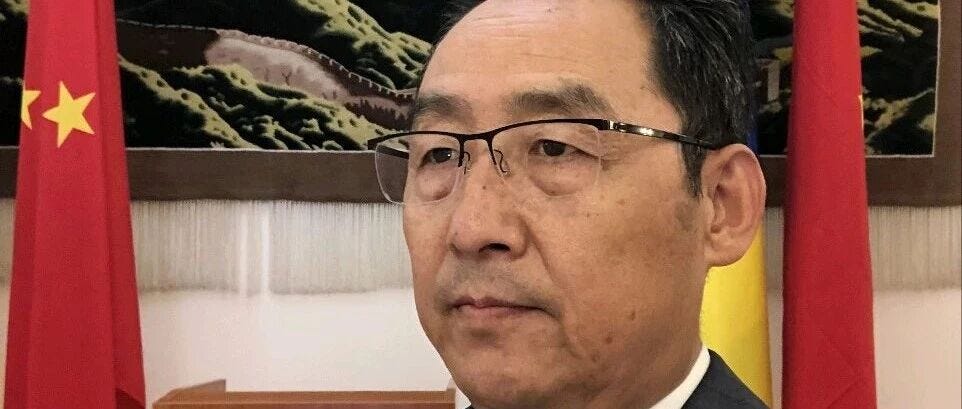
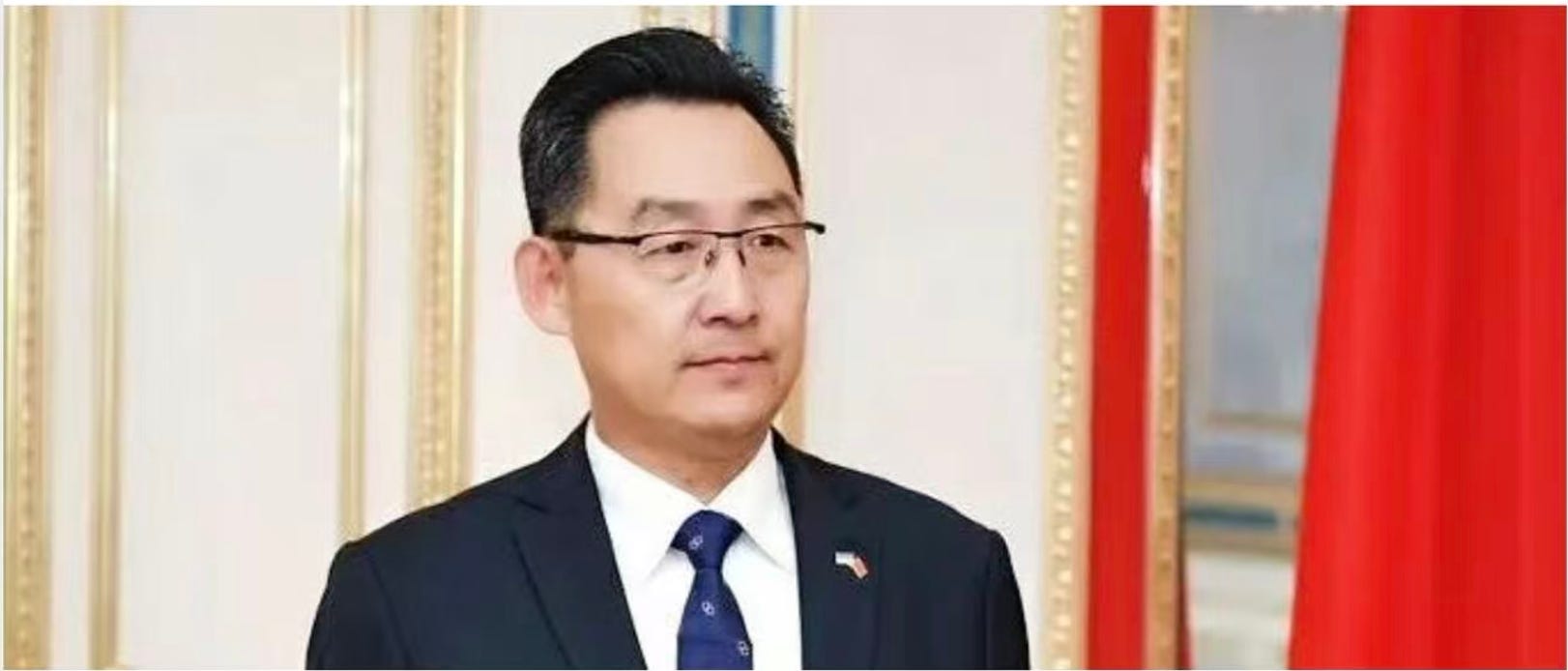
此译文及出版未经原作者或任何其他人授权。 作者显然是丁建伟,时任中国驻乌克兰基辅大使馆参赞兼发言人。丁建伟现已退休。
基辅亲历:俄乌冲突前夜爆发
基辅亲历记:俄乌冲突前夕
自2021年10月起,开始有报道称俄罗斯军队正准备对乌克兰发动大规模进攻。我方大使馆也持续通过各种渠道收集和评估相关事态发展。 11月下旬,大使馆召开了专门的党委会议,评估俄乌之间日益紧张的局势。为应对局势全面恶化的极端情况,我们提前制定了大使馆全套应急响应和领事保护计划:明确了人员职责,确定了岗位和任务,并完善了协调机制。会议还要求后勤小组提前储备肉类、蔬菜和其他生活必需品,未雨绸缪,防患于未然。 当时,我和武官X从不同的角度密切关注着局势。考虑到俄方一系列异常的军事部署,我们率先得出结论:“俄方的行动绝非例行威慑。相反,俄方正计划对乌克兰发动全面进攻。其作战目标不仅限于顿巴斯东部地区,而是针对整个乌克兰。” 然而,当时大多数国内专家学者仍然固守成见,过度依赖经验。他们普遍依靠往年的惯性来评估局势,简单地认为俄罗斯在边境附近部署大量军队只不过是例行军事演习和战略施压,其目的只是为了搅动顿巴斯局势,并不会真正发动大规模战争。 受当时乐观评估氛围的影响,我们两人提出的风险预警和形势评估被刻意搁置。如果我们坚持己见,很容易被指责扰乱统一决策。 但实际情况却颠覆了主流专家的评估。俄乌之间的对抗持续升级,局势日益恶化。俄军在各军区之间调动兵力,最终集结了约36万兵力,密集部署在俄乌和白乌边境沿线,摆出了决战的姿态。 到2021年12月,大批俄罗斯渗透侦察队已经潜入基辅。他们开始秘密标记重要的军事和政治目标以及关键基础设施,并收集情报。战争的暗流已经开始涌动。 我当时住在基辅一栋著名的高层公寓楼里,这栋楼被称为“玉米棒”,距离总统府和政府所在地不到一公里。它是基辅右岸的地标性建筑之一。住户构成复杂:乌克兰内阁部长、议员、商业寡头以及来自各国的外交官。 当时,我注意到大楼几面墙上都有红十字标记。多年的外交工作、军事经验、作战训练以及我的职业敏感性,让我立刻警觉起来。我马上判断,这些标记是为精确炮击而设置的坐标指示器。这一发现更加坚定了我的信念:基辅是俄罗斯的主要进攻目标,一场全面攻占该城的战斗已迫在眉睫。 2022年新年之际,应老朋友涅姆奇诺夫部长(译者注:可能是乌克兰内阁部长奥列格·涅姆奇诺夫)的邀请,我前往安德烈耶夫斯基街一家百年老店品尝现代乌克兰菜肴。晚餐期间,我们谈及时事,他询问了我对俄乌紧张局势的看法。 我坦率地发言,阐述了我对地缘政治紧张局势、兵力部署以及俄罗斯战略意图的解读。我明确表示,大规模全面战争已不可避免。当时也在场的乌克兰内阁新闻办公室主任对此并不认同。她说,我的观点过于悲观。她坚信冲突将仅限于顿巴斯地区。在她看来,俄罗斯既没有意愿也没有能力进攻基辅。随后爆发的全面战争彻底证实了我所有的判断。 2022年1月10日,中央情报局局长威廉·伯恩斯意外抵达基辅,受到总统弗拉基米尔·泽连斯基的亲自接见。按照外交惯例,情报机构负责人出访时,应与东道国的对应机构联络;国家元首直接接见他极为罕见。这一反常举动令我高度警惕。 后来披露的信息显示,伯恩斯是奉拜登总统之命前来向泽连斯基汇报高度机密的情报:俄罗斯计划于 2 月 16 日对乌克兰发动全面入侵。 即使收到来自华盛顿的明确警告,泽连斯基和乌克兰内阁高层仍然心存疑虑,抱有一丝希望,认为事态或许会朝着另一个方向发展。不过,作为预防措施,乌克兰政府悄悄启动了分级应急预案。各部委被分成三组。部长们留在基辅维持政府运转,而副部长们则分批率领人员前往乌克兰西部城市,包括利沃夫、伊万诺-弗兰科夫斯克和切尔诺夫策。 与此同时,美国和许多欧洲国家开始向本国公民发布紧急撤离警告。外交使团迅速行动,将人员和物资转移到乌克兰西部或邻国。撤离本国公民和迁移使馆成为例行公事。战争的阴影笼罩着乌克兰,空气中弥漫着暴风雨即将来临的气息。 进入2022年2月,关于战争即将爆发的各种谣言四起。不断有报道称,乌克兰军队发现并清除了俄罗斯的破坏小组。然而,泽连斯基在每晚的电视讲话中,仍然淡化危机,营造平静的形象,试图稳定公众情绪。 2月18日,泽连斯基召集驻乌克兰外交使节举行特别会议,并公开表示“顿巴斯局势比去年有所好转,不会发生大规模冲突,外交使团应保持克制。我敦促各使馆不要制造恐慌,不要盲目撤离,也不要不必要地搬迁。” 那时,超过90%的外国使团已经完成搬迁。基辅各处的使馆建筑空空荡荡。只有中国大使馆上空的五星红旗依然迎风飘扬。 根据国际法相关规定,外国外交使团一旦全部撤离并迁至他处办公,就必须降半旗,这被视为使团暂时关闭。如果之后返回原址恢复办公,则必须举行升旗仪式并完成全部外交程序。 2月21日上午,我应邀前往乌克兰总统办公室会见新闻办公室主任。正式会谈结束后,他突然用严肃而关切的语气询问,中国大使馆是否计划迁往乌克兰西部,或者迁往波兰。 这突如其来的问题让我措手不及。我们这边从未有过任何搬迁或撤离大使馆的计划。我立刻反问他,是不是战争即将爆发。他的回答很简短:是的。 我追问他具体时间。他神色凝重地说,就在未来几天内——也许是明天,也许是后天。临别时,我再次问他战争是否已不可避免。他肯定地回答,然后匆匆道别:“保重”,便告辞了。 2月23日19:00,我和妻子步行前往总统府、内阁办公楼和最高拉达附近区域,近距离观察局势。核心政府区灯火通明。路人神态平静,照常进行着他们的晚间活动。我们甚至还碰到了几个熟人。表面上看,这座城市一片祥和。街上没有任何迹象表明战争即将爆发。 当晚,乌克兰国家元首接见外国宾客的重要场所——马林斯基宫灯火辉煌。乌克兰、波兰和立陶宛的国旗在屋顶同时飘扬,表明泽连斯基正在会见波兰和立陶宛总统。此时,距离全面战争爆发仅剩不到十个小时。 夜色渐深,主干道上的车辆渐渐稀少。平日里游客熙攘的马林斯基公园如今一片寂静凄凉。整座城市仿佛笼罩在令人窒息的静谧之中。空气沉闷压抑。我和妻子都意识到局势已十分危急,不敢在外久留。我们立即加快脚步,返回大使馆加入紧急待命工作。等我回到住处时,已是晚上11点。 经过数日的极度紧张,我的神经稍稍放松了一些。然而,内心深处却始终萦绕着一种难以名状的不安,我的直觉不断警告我危险就在附近。我拿起一本书来舒缓心情,不知不觉便沉沉睡去。 黎明前,一声震耳欲聋的爆炸撕裂了夜空,将我惊醒。我下意识地看了看手表,表盘上清晰地显示着:2022年2月24日,4点45分。片刻之后,导弹呼啸着一枚接一枚地划破长空。建筑物剧烈摇晃,火焰冲天而起,浓烟从城外四面八方滚滚升起。就在那一刻,俄乌冲突彻底爆发,战火席卷了整个乌克兰。 在那关键时刻,我拿起了电话……
基辅亲历:俄乌冲突首日爆发的烽火与守护
基辅亲历:俄乌冲突首日的炮火与防护
我谨以此亲身经历的记述,记录那些战争岁月中令人难忘的回忆;向那些在危机时刻坚守阵地、逆流而上的人们致敬;并向那些在危险面前始终忠于初衷、展现出责任感和奉献精神的人们致敬。 2022年2月24日凌晨4点45分,基辅的寂静被一阵猛烈的爆炸声打破。我猛然惊醒,冲到阳台上。郊区,火焰冲天而起。导弹呼啸着从头顶飞过,接连爆炸。窗框颤抖着。刺鼻的烟味和爆炸物的味道弥漫在空气中。那一刻,我无比清晰地意识到:战争已经来临。 我立即给大使(简称“大石” )打电话。电话那头他的声音急促而紧张。我沉着地回答:“俄军已对基辅发动全面军事打击。俄乌冲突正式爆发。” 短暂的沉默后,DS下达了明确而果断的指示:“立即将全部情况汇报总部。密切关注事态发展。全面核查在乌克兰的中国公民的安全状况。我现在返回大使馆。6点30分召开德国之声紧急会议。” 挂断电话后,我立即向总部值班室报告基辅遭到袭击,冲突全面爆发。瞬间,各种信息纷至沓来:媒体问询、中国公民的求助、亲朋好友的询问。随着战争逼近,恐慌几乎立刻蔓延开来。 5点15分,完成紧急报告和初步应急响应后,我根本没时间洗漱休息,直接赶往大使馆。一进办公室,我就迅速打开电脑。屏幕上实时滚动显示着战况更新和安全警报。 大约5点40分,DS抵达。人员迅速集结。6点30分,紧急DW会议准时召开。战时工作机制全面启动。各专门工作组立即到岗,履行各自职责。整个大使馆进入紧急响应状态。 根据会议安排,我带领副武官X和三等秘书C前往基辅火车站,开展中国公民紧急救援工作。同时,我们与乌克兰军警部门和车站管理部门协调,组织有序、安全地撤离我国同胞。 7点30分,我们穿过重重戒备的检查站,终于抵达基辅火车站。眼前的景象令人触目惊心,惨不忍睹。拥挤不堪的车站人满为患,数万难民被困其中。刺耳的空袭警报声不绝于耳。数十架武装直升机沿着第聂伯河低空盘旋。爆炸声此起彼伏,仿佛永无止境。 惊恐的人群四散奔逃。尖叫声、哭喊声和绝望的哀嚎声交织在一起。每当列车驶入站台,惊恐的人群便不顾一切地冲向车厢,拼命想要登上列车逃离。步履蹒跚的老人、抱着幼童的父母以及行动不便的孕妇,都被卷入了汹涌的人群中。 不同国籍、不同肤色的人们惊慌失措地挤在一起。放眼望去,到处都是流离失所、惊恐无助的身影。那些我只在二战纪录片中见过的混乱景象,如今竟在我眼前上演,令我心头沉重,百感交集。 那时,车站已完全被军方控制,并严格执行优先登车的政策,优先保障老人、弱势群体、妇女和儿童的安全。大量中国留学生和企业员工被迫留在车站内。数十名中国女留学生拒绝抛下同伴独自逃生,她们毫不犹豫地选择留下,互相照应,共同面对危险。 当我们的同胞得知我们是来自中国大使馆时,他们的恐惧和紧张逐渐消散。即使在如此危急的情况下,他们也因为知道祖国在他们身后而重拾信心和希望。 当中国公民得知我们是使馆人员时,他们脸上的恐惧渐渐消散。在那绝望的时刻,他们因为知道祖国在他们身后而重拾信心和希望。 在危急时刻,一名学生党员挺身而出,说道:“我是中国gcd党员。如果使馆有任何安排,我随时服从命令,全力配合。” 紧接着,又有两名学生表明了自己的党员身份,并自愿加入临时救援队。他们主动承担了引导人群、信息登记、安抚情绪、多语种翻译等繁重任务。在战火纷飞之际,这三位年轻的党员挺身而出,肩负起责任,将他们最初的使命和信念付诸行动。虽然他们没有留下姓名,但他们朴实的行动温暖了在场的每一个人,深深地感动了我们。 我们在现场组建了临时党组,负责协调指挥部署、对撤离人员进行分类安置,并确保高效协作。工作涵盖了包括学生、海外华人、中资企业员工在内的各个群体。我们特别照顾了有婴幼儿的母亲和面临特殊困难的人员。我们绝不落下任何一个同胞。我们竭尽所能保障每一位同胞的生命安全。 经过数小时不间断的高强度救援工作,截至当天下午2点,我们已安全救出并协助转移了383名中国公民,其中包括37名婴幼儿,他们均来自基辅火车站。列车分别开往布达佩斯、华沙和乔普三条主要疏散路线。我们安排党员志愿者陪同疏散人员上车,全程陪伴,提供持续的关怀和支持,并在疏散路线沿线组成一道安全防线。 与此同时,我们耐心劝导并妥善安抚未能及时登上火车的同胞,引导他们有序返回校园和居住地,等待大使馆后续安排协调安置和分阶段撤离事宜。 火车站救援行动暂时结束后,我们立即返回大使馆。尽管疲惫不堪,所有工作人员仍不眠不休,立即召开特别会议。会议回顾了现场救援行动,评估了局势的可能发展,完善了应急预案,并加快了撤离数千名滞留在乌克兰的中国公民的各项准备工作。 火车站救援行动暂时结束后,我们立即返回大使馆。尽管疲惫不堪,所有工作人员仍不眠不休,立即召开特别会议。我们回顾了现场救援行动,评估了局势的可能发展,完善了应急预案,并全力推进数千名滞留在乌克兰的中国公民的撤离工作。 当天中午,乌克兰当局正式宣布全国进入战争状态,基辅市实施了为期 72 小时的全市宵禁。 人民的安全与国家的安全息息相关。 自乌克兰局势恶化以来,中G中央始终高度关注海外中国公民的安全,将身处乌克兰的同胞福祉放在心上。大使馆坚决贯彻落实上级各项指示和要求,提前发布安全警示和风险规避指南,指导各地海外华人社团互助共渡难关,并持续利用权威及时的官方信息,消除公众焦虑,引导民众采取合理防范措施,做好自身防护。 战争爆发当天下午17时,我代表中国驻乌克兰大使馆发表了《中国驻乌克兰大使馆发言人关于乌克兰当前局势的讲话》。这是冲突爆发后中国驻乌克兰大使馆发表的第一份公开声明,旨在安抚在乌克兰的中国同胞。声明通过权威信息,向民众通报了实时局势,对安全风险进行了精准评估,并明确了如何规避危险。它在第一时间传递了祖国的声音,安抚了同胞,并有助于稳定局势。 当时,约6000名在乌克兰的中国公民总体上保持冷静。尽管战争严重扰乱了他们的日常生活和学习,但在强大的祖国支持下,他们能够有序地进行居家避难、分阶段撤离等措施。 The two following essays were published on the WeChat blog 永久的心路 on 26 and 28 April 2026, respectively. They remain accessible on May 1, 2026. This translation and publication have NOT been authorized by their author or anyone else. The author is apparently Ding Jianwei, at the time Counselor and Spokesman of the Chinese Embassy in Kyiv, Ukraine. Ding is apparently now retired. —— Zichen Wang
基辅亲历:俄乌冲突爆发前夜
Kyiv Firsthand: The Eve of the Russia–Ukraine Conflict
From October 2021 onward, reports began to circulate that Russian forces were preparing a large-scale offensive against Ukraine. Our embassy, too, continued to gather and assess relevant developments through various channels. In late November, the embassy convened a dedicated DW [Translator’s Note: abbreviation for Party Committee/“DangWei”] meeting to assess the escalating tensions between Russia and Ukraine. In preparation for the extreme scenario of a full deterioration of the situation, we drew up in advance the embassy’s complete set of emergency-response and consular-protection plans: personnel responsibilities were clarified, posts and duties were fixed, and coordination mechanisms were refined. The meeting also required the logistics team to stockpile meat, vegetables, and other daily necessities early, preparing for contingencies before they arose. At the time, Military Attaché X and I had been following the situation closely from different vantage points. Taking into account a series of abnormal Russian military deployments, we were among the first to reach the judgment that “Russia’s actions were by no means routine deterrence. Rather, Russia was planning to launch a full-scale attack on Ukraine. Its operational objectives would not be limited to the eastern Donbas, but would be directed at the whole of Ukraine.” At the time, however, most domestic experts and scholars remained locked into fixed assumptions and an overreliance on experience. They generally relied on the inertia of previous years to assess the situation, simply believing that Russia’s heavy troop presence near the border was no more than routine military exercises and strategic pressure, intended only to stir up the situation in Donbas, and that it would not truly launch a large-scale war. Influenced by the overall atmosphere of an optimistic assessment, the risk warnings and situation assessments the two of us made were deliberately shelved. Had we insisted on our view, we would easily have been accused of disrupting unified decision-making. But developments on the ground shattered the mainstream expert assessment. The confrontation between Russia and Ukraine continued to intensify. The situation worsened day by day. Russian forces were transferred across military districts, eventually reaching a total strength of roughly 360,000 troops, deployed densely along the Russia–Ukraine and Belarus–Ukraine borders. Their posture was of a final showdown. By December 2021, large numbers of Russian infiltration and reconnaissance teams had already slipped into Kyiv. They began covertly marking key military and political targets, as well as critical infrastructure, gathering intelligence. The undercurrents of war were already moving. I was living in a well-known Kyiv high-rise apartment building, known as the “Corn Cob”, which is less than a kilometre from the core quarters housing the Presidential Office and the government. It was one of the landmarks of Kyiv’s right bank. The residents were a complicated mix: Ukrainian cabinet ministers, members of parliament, business oligarchs, and diplomats from various countries. At the time, I noticed red cross markings on several walls of the building. Years of diplomatic work, military experience, operational training, and my professional sensitivity made me instantly alert. I judged at once that these markings were coordinate indicators placed for precision artillery strikes. That discovery strengthened my conviction: Kyiv was Russia’s core assault target, and a full-scale battle to seize the city was already on the brink of eruption. On the eve of the New Year in 2022, at the invitation of my old friend Minister Nemchinov [Translator’s Note: possibly Oleh Nemchinov, the Minister of the Cabinet of Ministers of Ukraine], I went to a century-old restaurant on Andriivskyi Descent to try modern Ukrainian cuisine. Over dinner, as the conversation turned to the situation, he asked for my view on Russia-Ukraine tensions. I spoke frankly. I laid out my reading of the geopolitical tensions, the force deployments, and Russia’s strategic intentions. I made clear my judgment that a large-scale, full-blown war was already irreversible. The head of the Ukrainian cabinet’s press office, who was also present, was unconvinced. My view, she said, was far too pessimistic. She was adamant that the conflict would remain confined to Donbas. Russia, in her view, had neither the will nor the capacity to attack Kyiv. The subsequent outbreak of a full-scale war fully vindicated every judgment I had made. On 10 January, 2022, CIA Director William Burns arrived unexpectedly in Kyiv and was received personally by President Volodymyr Zelensky. By diplomatic convention, when the head of an intelligence agency travels abroad, he should liaise with his counterpart agency on the host side; for a head of state to meet him directly is highly unusual. The anomaly put me on full alert. Later disclosures revealed that Burns had come on the orders of President Biden to brief Zelensky on highly classified intelligence: Russia planned to launch a full-scale invasion of Ukraine on 16 February. Even after receiving a clear warning from Washington, Zelensky and senior figures in the Ukrainian cabinet remained doubtful, clinging to a hope that things might still turn out otherwise. Still, as a precaution, the Ukrainian government quietly activated a tiered emergency plan. Ministries were split into three groups. Ministers stayed in Kyiv to maintain government operations, while deputy ministers led personnel in batches to rear cities in western Ukraine, including Lviv, Ivano-Frankivsk, and Chernivtsi. At the same time, the United States and many European countries began issuing urgent evacuation warnings to their citizens. Diplomatic missions moved quickly, transferring personnel and supplies either to western Ukraine or to neighbouring countries. Vacating nationals and relocating embassies became routine. The shadow of war hung over Ukraine, and the air was thick with the sense of an approaching storm. Entering February 2022, all kinds of rumours about an impending war spread in every direction. Reports appeared constantly about Ukrainian forces discovering and clearing Russian sabotage teams. Yet Zelensky continued, in his nightly televised addresses, to downplay the crisis and project an image of calm, seeking to stabilise public sentiment. On 18 February, Zelensky convened a special meeting with Ukraine-based diplomatic envoys and stated publicly that “the situation in Donbas was better than the previous year, that a large-scale conflict would not occur, and that diplomatic missions should exercise restraint. I urge embassies not to create panic, not to evacuate blindly, and not to relocate unnecessarily.” By that time, more than 90 percent of foreign diplomatic missions had already completed their relocations. Embassy buildings across Kyiv stood empty. Only the five-star red flag above the Chinese Embassy remained standing against the wind, flying high. Under relevant provisions of international law, once a foreign diplomatic mission fully evacuates and begins operating from another location, it must lower its national flag, which is regarded as a temporary closure of the mission. If it later returns to the original premises and resumes operations, it must hold a new flag-raising ceremony and complete the full diplomatic procedure. On the morning of 21 February, I was invited to the Office of the President of Ukraine to meet with the head of the press bureau. After the official discussion concluded, he suddenly asked, in a solemn and concerned tone, whether the Chinese Embassy planned to relocate to western Ukraine, or perhaps transfer to Poland. The sudden question left me stunned. On our side, there had never been any plan to relocate or evacuate the embassy. I immediately asked in return whether war was about to break out. His answer was brief: yes. I pressed him on the timing. With a grave expression, he said it would happen in the next few days—perhaps tomorrow, perhaps the day after. As we parted, I asked once more whether war had become inevitable. He answered in the affirmative, then hurriedly said, “Take care,” and bid goodbye. At 19:00 on 23 February, my wife and I walked toward the areas around the Presidential Office, the Cabinet of Ministries, and the Verkhovna Rada to observe the situation at close range. The core government district was brightly lit. Passers-by looked calm and went about their evening as usual. We even ran into several acquaintances. On the surface, the city appeared entirely peaceful. Nothing in the streets suggested an imminent war. Mariinsky Palace, a key venue where Ukraine’s head of state receives foreign guests, was brilliantly illuminated that night. The flags of Ukraine, Poland, and Lithuania flew together from the roof, making clear that Zelensky was meeting the presidents of Poland and Lithuania. By then, fewer than ten hours remained before the full-scale outbreak of war. As night deepened, traffic thinned on the main roads. Mariinsky Park, usually full of visitors, was silent and bleak. The whole city seemed wrapped in a suffocating stillness. The air was heavy, oppressive. My wife and I both knew how perilous the situation had become and dared not stay out for long. We immediately quickened our pace back, returning to the embassy to join the emergency standby work. By the time I got back to my residence, it was already 23:00. After days of extreme tension, my nerves relaxed slightly. Yet somewhere deep inside, a nameless unease and my instincts kept warning me that danger was near. I picked up a book to soothe my mind, and unwittingly slipped into a heavy sleep. Before dawn, a deafening explosion ripped through the night and jolted me awake. Instinctively, I looked at my watch; the dial read clearly: 4:45, 24 February, 2022. Within moments, the shriek of missiles tore through the air one after another. The building shook violently and continuously, while flames leapt into the sky and thick smoke billowed from several directions outside the city. In that instant, the Russia–Ukraine conflict had fully begun, and war swept across Ukraine. At that critical moment, I picked up the phone...
基辅亲历:俄乌冲突爆发首日的烽火与守护
Kyiv Firsthand: Fire and Protection on the First Day of the Russia–Ukraine Conflict
I offer this first-hand account as a record of unforgettable memories from those days of war; as a tribute to those who stood their ground and moved against the tide in a moment of crisis; and as a salute to every act of responsibility and commitment shown by those who stayed true to their original mission in the face of danger. At 4:45 on 24 February 2022, the deep silence of Kyiv was torn apart by a riff of violent explosions. I woke with a start and rushed to the balcony. In the suburbs, flames leapt into the sky. Missiles whistled overhead and exploded in succession. The window frames trembled. The sharp, acrid smell of smoke and explosives spread through the air. At that moment, I knew with absolute clarity: war had arrived. I immediately called DS [abbreviation for Ambassador/“DaShi”]. His voice on the other end was urgent and tense. I answered steadily: “Russian forces have launched a full-scale military strike on Kyiv. The Russia–Ukraine conflict has officially broken out.” After a brief silence, DS issued a precise and decisive instruction: “Report the full situation to headquarters immediately. Monitor developments closely. Conduct a full check on the safety of Chinese citizens in Ukraine. I am returning to the embassy now. Convene an emergency DW meeting at 6:30.” After hanging up, I immediately reported to the headquarters’ duty office that Kyiv had come under attack and that the conflict had fully erupted. In an instant, messages flooded in: media inquiries, requests for help from Chinese citizens, questions from friends and relatives. As the war drew closer, panic spread almost immediately. At 5:15, after completing the urgent report and the initial emergency response, I had no time to wash or rest. I hurried straight to the embassy. Once in my office, I quickly turned on the computer. Battle updates and security warnings were scrolling across the screen in real time. At around 5:40, DS arrived. Personnel quickly assembled. At 6:30, the emergency DW meeting began on time. The wartime work mechanism was fully activated. Every special working group immediately reported to their posts and assumed assigned responsibilities. The entire embassy entered emergency-response mode. Under the meeting’s arrangements, I led Deputy Military Attaché X and Third Secretary C to Kyiv railway station to carry out emergency rescue work for Chinese citizens. At the same time, we coordinated with Ukrainian military and police authorities, as well as station management, to organize the orderly and safe evacuation of our compatriots. At 7:30, after passing through layers of armed checkpoints, we arrived at Kyiv railway station. The scene before us was harrowing and devastating. The cramped station was packed beyond capacity, with tens of thousands of refugees stranded inside. Piercing air-raid sirens screamed without pause. Dozens of armed helicopters flew in formation at low altitude along the Dnipro River. Explosions rang out one after another, seemingly without end. Panic-stricken crowds fled in every direction. Screams, cries, and desperate wails mingled in the air. Whenever a train pulled into the platform, terrified crowds rushed towards the carriages at all costs, desperate to board and escape. Elderly people struggling to walk, parents holding young children, and pregnant women with limited mobility were all swept up in the surging crowds. People of different nationalities and skin colours pressed together in panic. Everywhere I looked, there were displaced, frightened, helpless figures. Scenes of chaos I had only seen in Second World War documentary footage were now unfolding before my eyes, leaving me heavy-hearted and overwhelmed by emotion. By then, the station had been placed fully under military control and was strictly enforcing a policy that gave priority boarding to the elderly, the vulnerable, women, and children. Large numbers of young Chinese students and employees of Chinese enterprises were forced to remain inside the station. Dozens of female Chinese students refused to leave their companions behind and seek safety on their own. Without hesitation, they chose to stay behind, look out for one another, and face the peril together. When our compatriots learned that we were from the Chinese Embassy, their fear and tension gradually eased. Even in such desperate circumstances, they regained a sense of confidence and hope from knowing that the motherland stood behind them. When the Chinese citizens learned that we were from the embassy, the fear in their faces gradually eased. In that desperate moment, they regained a sense of confidence and hope from knowing that the motherland stood behind them. At a critical moment, one student Party member stepped forward and said, “I am a member of the Communist Party of China. If the embassy has any arrangements, I will obey orders at any time and fully cooperate.” Immediately afterward, two more students identified themselves as Party members and volunteered to join the temporary rescue team. They took the initiative to handle demanding tasks such as crowd guidance, information registration, emotional reassurance, and multilingual interpretation. Amid the flames of war, these three young Party members stepped forward, shouldered responsibility, and put their original mission and commitment into action. Though they left no names behind, their simple actions warmed everyone present and moved us deeply. We formed a temporary Party group on the spot to coordinate command and deployment, classify and settle evacuees, and ensure efficient cooperation. The work covered various groups, including students, overseas Chinese, and staff of Chinese-funded enterprises. We gave special assistance to mothers with infants and those facing particular difficulties. No one was to be left behind. We did everything possible to protect the life and safety of every compatriot. After several hours of continuous, high-intensity rescue work, by 14:00 that day, we had safely rescued and assisted in transferring 383 Chinese citizens from Kyiv railway station, including 37 infants and young children. The trains were headed toward three main evacuation routes: Budapest, Warsaw, and Chop. We arranged Party-member volunteers to accompany evacuees on board, staying with them throughout the journey, providing continuous care and support, and forming a line of protection along the evacuation routes. At the same time, we patiently persuaded and carefully reassured compatriots who were unable to board trains in time, guiding them to return in an orderly manner to their campuses and places of residence while awaiting the embassy’s follow-up arrangements for coordinated resettlement and phased evacuation. Once the railway station rescue operation had temporarily come to an end, we immediately returned to the embassy. Despite their exhaustion, all staff pressed on without rest or food and convened a special meeting at once. The meeting reviewed the rescue operation on the ground, assessed the likely development of the situation, refined and improved emergency measures, and pushed ahead with all preparations for the evacuation of thousands of Chinese citizens in Ukraine. When the railway station rescue mission temporarily came to an end, we immediately returned to the embassy. Despite their exhaustion, all staff pressed on without rest or food and convened a special meeting at once. We reviewed the rescue operation on the ground, assessed the likely development of the situation, refined and improved emergency measures, and pushed ahead with every effort to prepare for the evacuation of thousands of Chinese citizens in Ukraine. At noon that day, the Ukrainian authorities officially declared a nationwide state of war, and Kyiv imposed a 72-hour citywide curfew. Where the people’s safety lies, there lies the state’s concern. Since the situation in Ukraine began to deteriorate, the CPC Central Committee had remained deeply concerned about the safety of Chinese citizens overseas and had kept the well-being of our compatriots in Ukraine close at heart. The embassy resolutely implemented all instructions and requirements from higher authorities, issuing safety alerts and risk-avoidance guidance in advance, guiding overseas Chinese associations in various places to help themselves and one another through the difficulties, and continuously using authoritative and timely official updates to ease public anxiety, guide people in taking sensible precautions, and help them protect themselves properly. At 17:00 on the day war broke out, I issued, on behalf of the embassy, the “Remarks by the Spokesperson of the Chinese Embassy in Ukraine on the Current Tensions in Ukraine”. It was the first public notice issued by the Chinese Embassy in Ukraine to reassure all Chinese compatriots in the country after the outbreak of the conflict. Through authoritative information, it briefed people on the real-time situation, offered a precise assessment of security risks, and set out clear guidance on how to avoid danger. At the earliest possible moment, it conveyed the voice of the motherland, reassured our compatriots, and helped stabilise the overall situation. At the time, the roughly 6,000 Chinese citizens in Ukraine remained generally calm. Although their daily study and life had been severely disrupted by the war, they were able, with the strong motherland behind them, to carry out home sheltering, phased evacuation, and other measures in an orderly manner. | 


 |小黑屋|手机版|Archiver|黑马乐园 hmly666.cc



 IP卡
IP卡 狗仔卡
狗仔卡
 发表于 2026-5-7 13:41

 收藏
收藏 分享
分享 淘帖
淘帖 提升卡
提升卡 置顶卡
置顶卡 沉默卡
沉默卡 喧嚣卡
喧嚣卡 变色卡
变色卡 千斤顶
千斤顶 显身卡
显身卡